
Understanding the logic behind the world’s most popular project method
If you have spent any time in a corporate environment or looked at job descriptions for project managers, you have undoubtedly come across the term PRINCE2. It stands for PRojects IN Controlled Environments, and while the name sounds quite formal, the logic behind it is remarkably grounded in common sense. At its core, this methodology is designed to stop projects from spinning out of control, overspending, or delivering something that nobody actually wanted in the first place.
In the UK and across the globe, PRINCE2 has become the benchmark for professional project management. It was originally developed by the UK government to manage large-scale IT projects, but it has since evolved into a versatile framework that can be applied to any industry, whether you are building a skyscraper, launching a new software product, or organising a massive public event. The beauty of the system is that it doesn’t tell you exactly how to do the work, but rather how to manage the work being done.

The seven principles that keep everything on track
What makes PRINCE2 different from other frameworks is its reliance on seven core principles. These aren’t just suggestions; they are the bedrock of the methodology. If a project doesn’t follow these seven rules, it isn’t truly being managed using the framework. These principles are designed to ensure that the project remains viable from the first day until the very last.
- Continued Business Justification: Every project must have a valid reason for starting, and more importantly, a reason to continue. If at any point the project is no longer worth the investment, it should be stopped.
- Learn from Experience: PRINCE2 teams are encouraged to look at what worked in the past and what didn’t. This prevents the same mistakes from being repeated over and over again.
- Defined Roles and Responsibilities: Everyone needs to know exactly what they are doing and who is making the decisions. There is no room for ambiguity when it comes to accountability.
- Manage by Stages: Instead of looking at a massive two-year project as one giant task, it is broken down into manageable chunks. This allows for regular check-ins and adjustments.
- Manage by Exception: Senior managers don’t need to be involved in every tiny decision. They set boundaries (like budget and time), and as long as things stay within those limits, the project manager gets on with it.
- Focus on Products: The methodology is obsessed with the output. Before work starts, everyone must agree on what the final ‘product’ looks like and what quality standards it must meet.
- Tailor to Suit the Project: This is perhaps the most important part. You don’t use the same level of bureaucracy for a small internal team update as you would for a multi-million pound infrastructure project.
The seven themes that provide the structure
While the principles are the ‘why,’ the themes are the ‘what.’ These are the aspects of project management that must be addressed continuously throughout the project’s lifecycle. Think of them as the different lenses through which a project manager looks at their work to ensure nothing is being missed.
The Business Case theme, for example, is closely linked to the principle of continued justification. It involves keeping a living document that proves the project is still a good idea. Then there is the Organisation theme, which deals with the people side of things—making sure the right people are in the right roles. The Quality theme ensures that the final product meets the customer’s expectations, while the Plans theme covers the logistics of how, when, and by whom the work will be done.
Risk is another critical theme. In PRINCE2, risk isn’t just something to be afraid of; it is something to be identified, assessed, and controlled. Similarly, the Change theme handles how to deal with requests for new features or alterations without letting the project spiral into ‘scope creep.’ Finally, the Progress theme is all about monitoring where you are compared to where you planned to be, allowing for timely interventions if things start to drift.
How the process actually works from start to finish
The actual workflow of a project is divided into seven processes. It starts with ‘Starting Up a Project,’ which is essentially a filter to see if the idea is even worth pursuing. If it passes this stage, it moves into ‘Initiating a Project,’ where the detailed planning happens. This is where you define the costs, the timelines, and the risks in a formal document.
Once the project is live, the ‘Directing a Project’ process allows the Project Board to provide high-level oversight without getting bogged down in the day-to-day. The project manager handles ‘Controlling a Stage’ and ‘Managing Product Delivery,’ which is where the actual work gets done. At the end of each stage, there is a ‘Managing a Stage Boundary’ process to review performance before moving on. Finally, ‘Closing a Project’ ensures that everything is wrapped up properly, lessons are documented, and the customer is happy with the result.
Why getting certified is still a smart career move
In a world where new ‘agile’ frameworks seem to pop up every week, you might wonder if this structured approach is still relevant. The truth is that most major organisations still rely on PRINCE2 because it provides a level of governance and security that more informal methods lack. Having this certification on your CV tells employers that you speak a universal language of project management and that you understand how to deliver results in a controlled, professional manner.
It is also worth noting that the methodology has evolved. Modern versions of the framework, such as PRINCE2 Agile, show how the structured governance of the traditional method can be blended with the flexibility of agile working. This hybrid approach is becoming increasingly popular in the tech sector and beyond, as it offers the best of both worlds: the freedom to innovate within a secure, well-managed framework.
Tailoring the framework to your specific needs
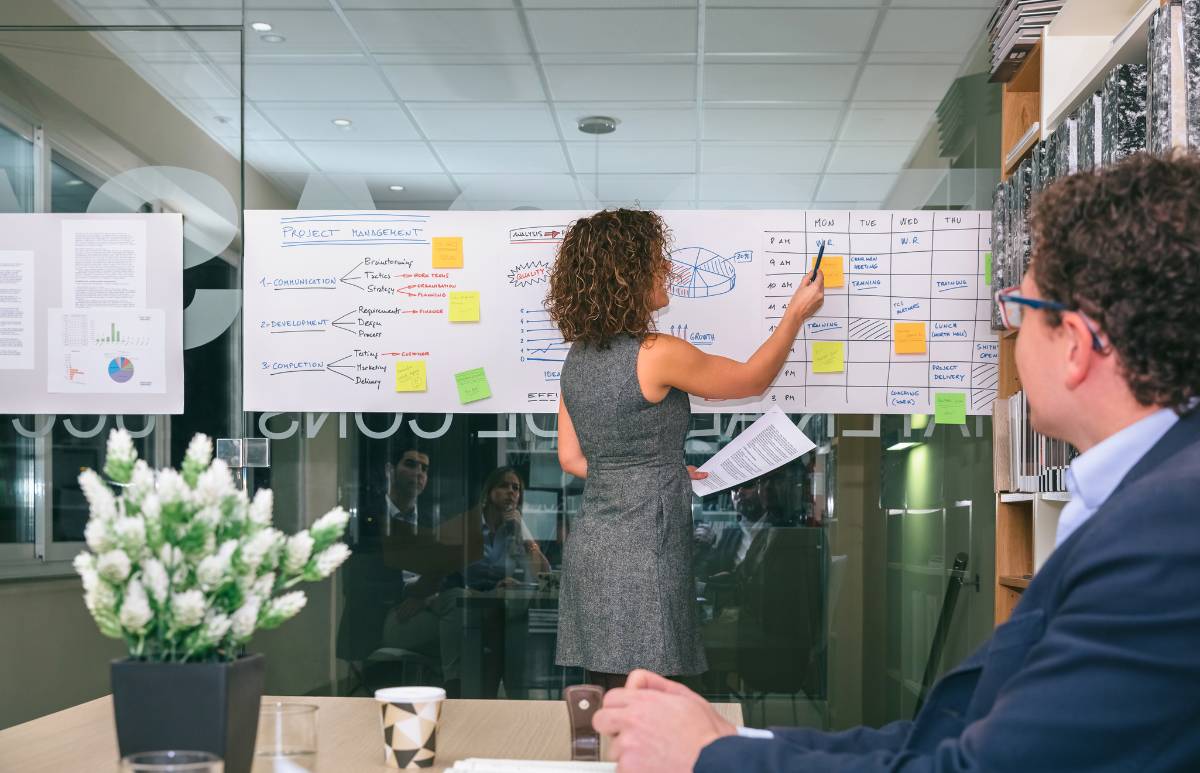
A common misconception is that PRINCE2 is a rigid, ‘one-size-fits-all’ system that requires mountains of paperwork. In reality, the framework explicitly states that it must be tailored. If you are working on a small project with a team of three people, you don’t need a 50-page communication plan or a complex hierarchy of boards. You take the elements that add value and scale back the ones that don’t.
The goal of tailoring is to ensure that the effort put into managing the project is proportionate to the risk and complexity of the work. When done correctly, the methodology feels like a supportive skeleton that holds the project together, rather than a heavy suit of armour that slows everyone down. It allows for a standardised way of working across an organisation, which makes it much easier for people to move between different teams and projects without having to learn an entirely new way of doing things each time.
By focusing on the products being delivered and the business value they provide, the framework helps teams stay aligned with the broader goals of the organisation. It moves the focus away from just ‘being busy’ and puts it firmly on ‘delivering results.’ This shift in mindset is often the biggest benefit for teams that adopt the methodology for the first time, as it brings a sense of clarity and purpose to the daily grind of project work.

Mia Turner is a dedicated gaming journalist passionate about exploring gameplay mechanics, esports, and community-driven content. Her work highlights tips, trends, and player insights, aiming to engage and inform both casual and hardcore gamers.